Top 10 Causes of Hair Fall in Men (Backed by Science)
Top 10 Causes of Hair Fall in Men: Complete Evidence-Based Guide
Hair fall affects millions of men worldwide, but losing a few strands every day is completely normal. On average, a healthy person sheds 50–100 hairs daily as part of the natural hair growth cycle. The concern begins when hair loss becomes excessive, persistent, or is accompanied by noticeable thinning, a receding hairline, or bald patches.
Understanding the root cause of hair fall is the first step toward choosing the right treatment. In this guide, we’ll explain the 10 most common causes of hair fall in men, how to recognize them, and what science says about managing them.
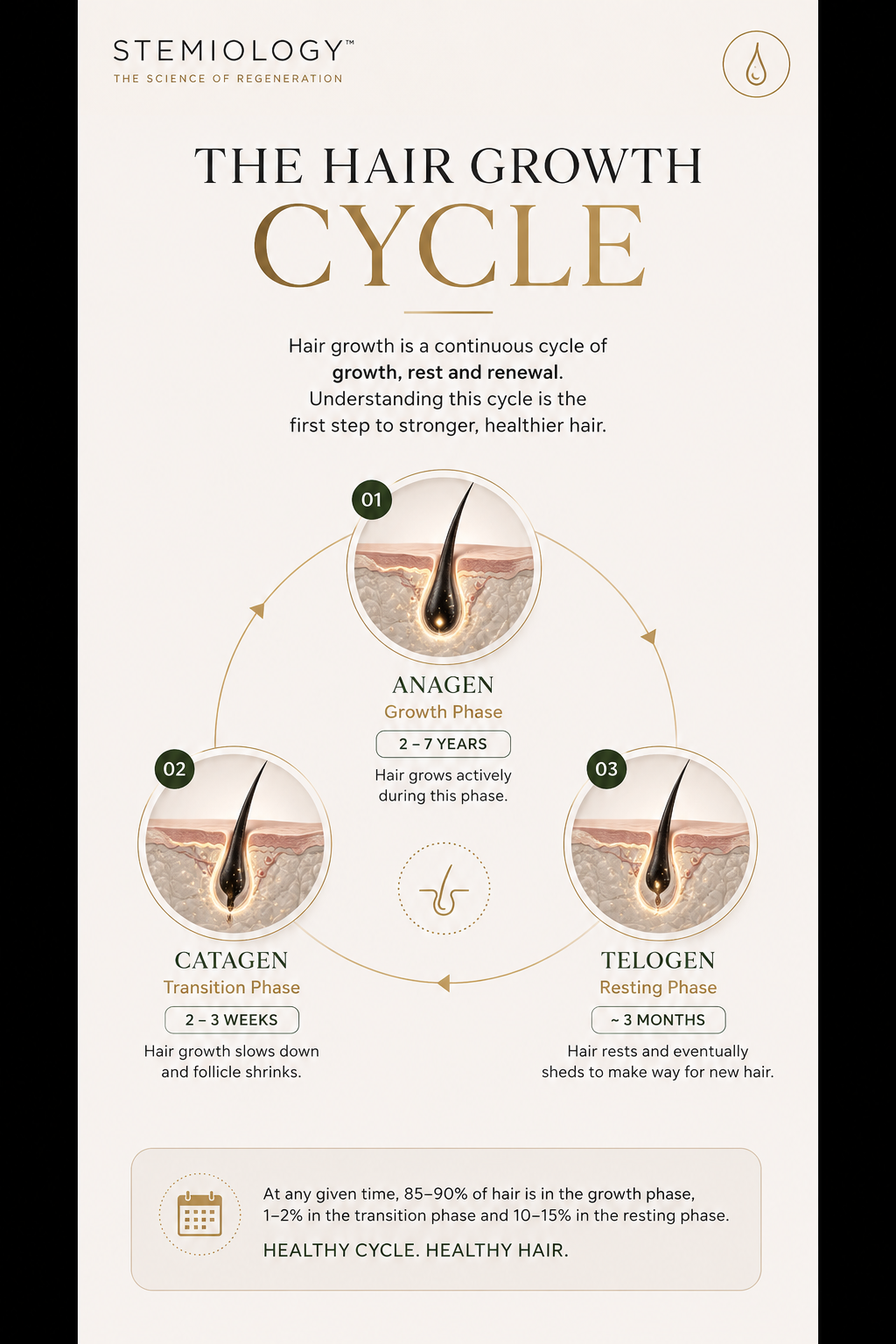
Understanding the Hair Growth Cycle
Every hair follicle follows a repeating cycle:
Anagen (Growth Phase)
Lasts 2–7 years. About 85–90% of scalp hairs are actively growing.
Catagen (Transition Phase)
A short phase lasting about 2–3 weeks.
Telogen (Resting Phase)
Lasts approximately 3 months before the hair naturally sheds and a new strand begins to grow.
When this cycle is disrupted, excessive hair shedding or progressive thinning can occur.
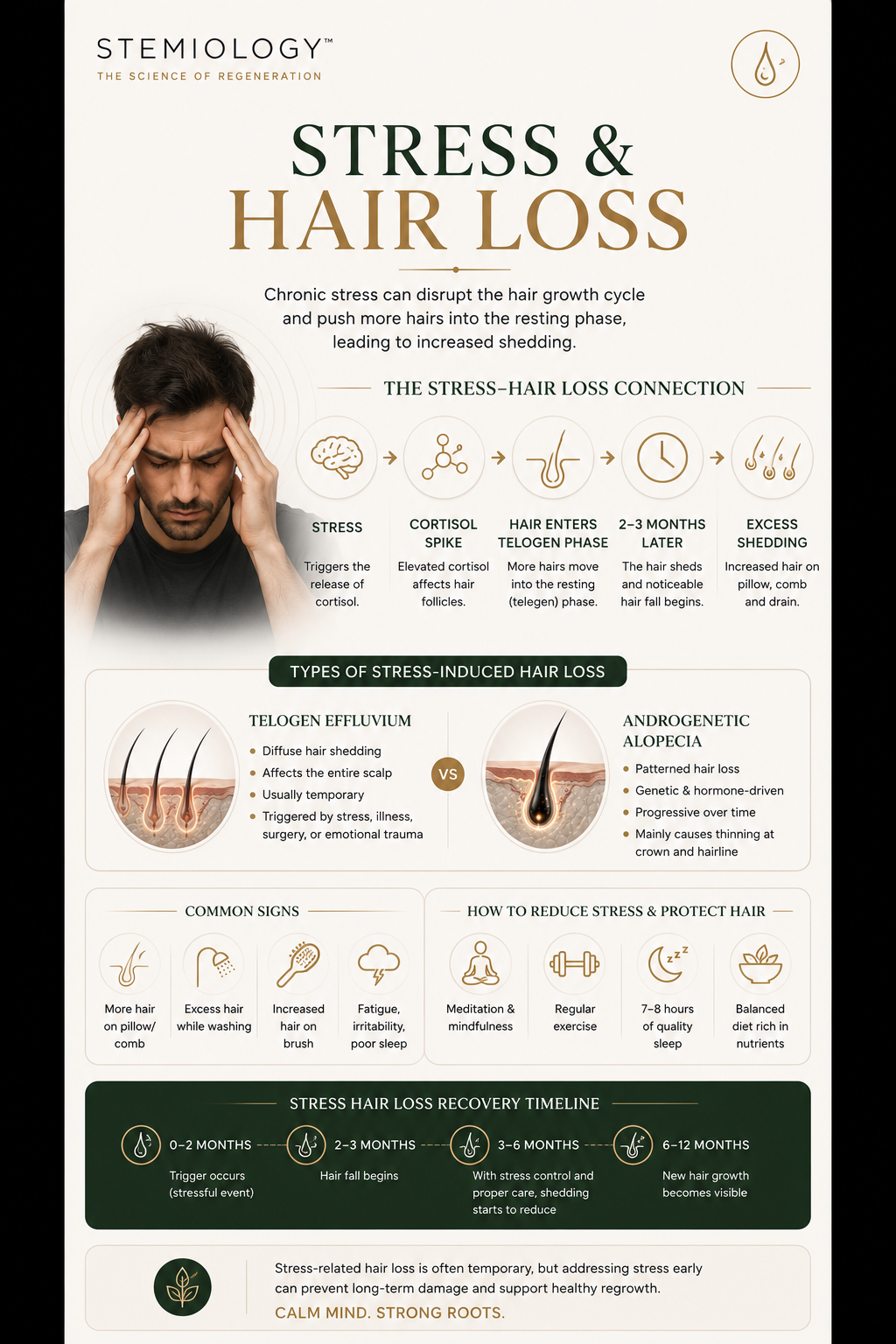
2. Chronic Stress
Stress is one of the most underestimated triggers of hair loss.
Physical illness, emotional trauma, surgery, poor sleep, rapid weight loss, or major life events can push a large number of hair follicles into the resting phase simultaneously. This condition is known as Telogen Effluvium.
Hair shedding often starts 2–3 months after the stressful event.
Signs
- Diffuse hair shedding
- Hair coming out during washing or brushing
- Increased hair on pillows or clothing
How to Reduce Risk
- Prioritize sleep
- Regular exercise
- Stress management
- Balanced nutrition
- Allow time for recovery
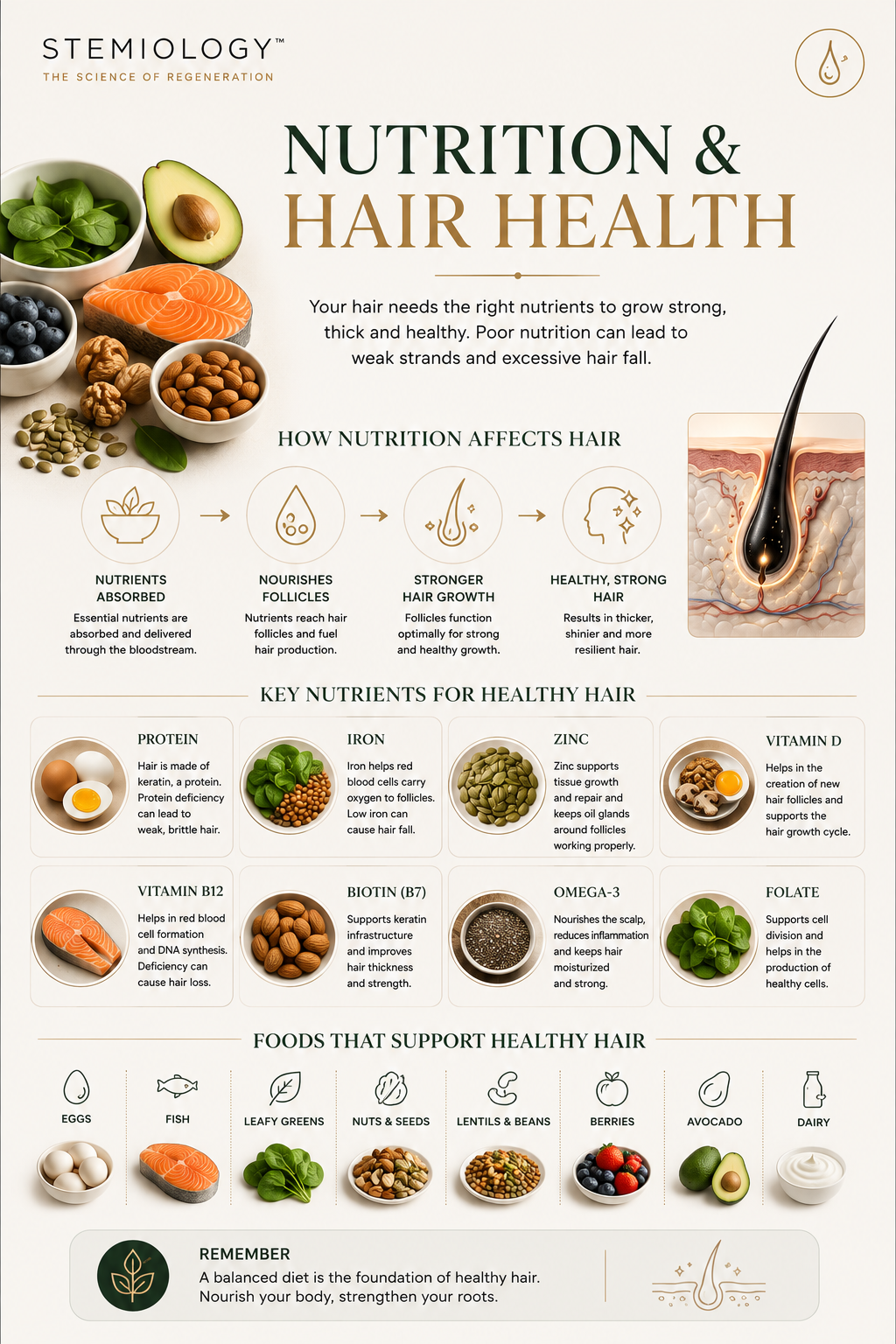
3. Poor Nutrition
Hair follicles are among the body’s most metabolically active tissues and require adequate nutrients to function normally.
Common nutritional deficiencies linked with increased hair shedding include:
- Iron
- Vitamin D
- Vitamin B12
- Zinc
- Protein
- Essential fatty acids
Crash diets and very low-calorie eating plans may also trigger significant shedding.
Foods That Support Healthy Hair
- Eggs
- Fish
- Lean meat
- Beans
- Nuts
- Seeds
- Spinach
- Greek yogurt
- Lentils
4. Hormonal Imbalance
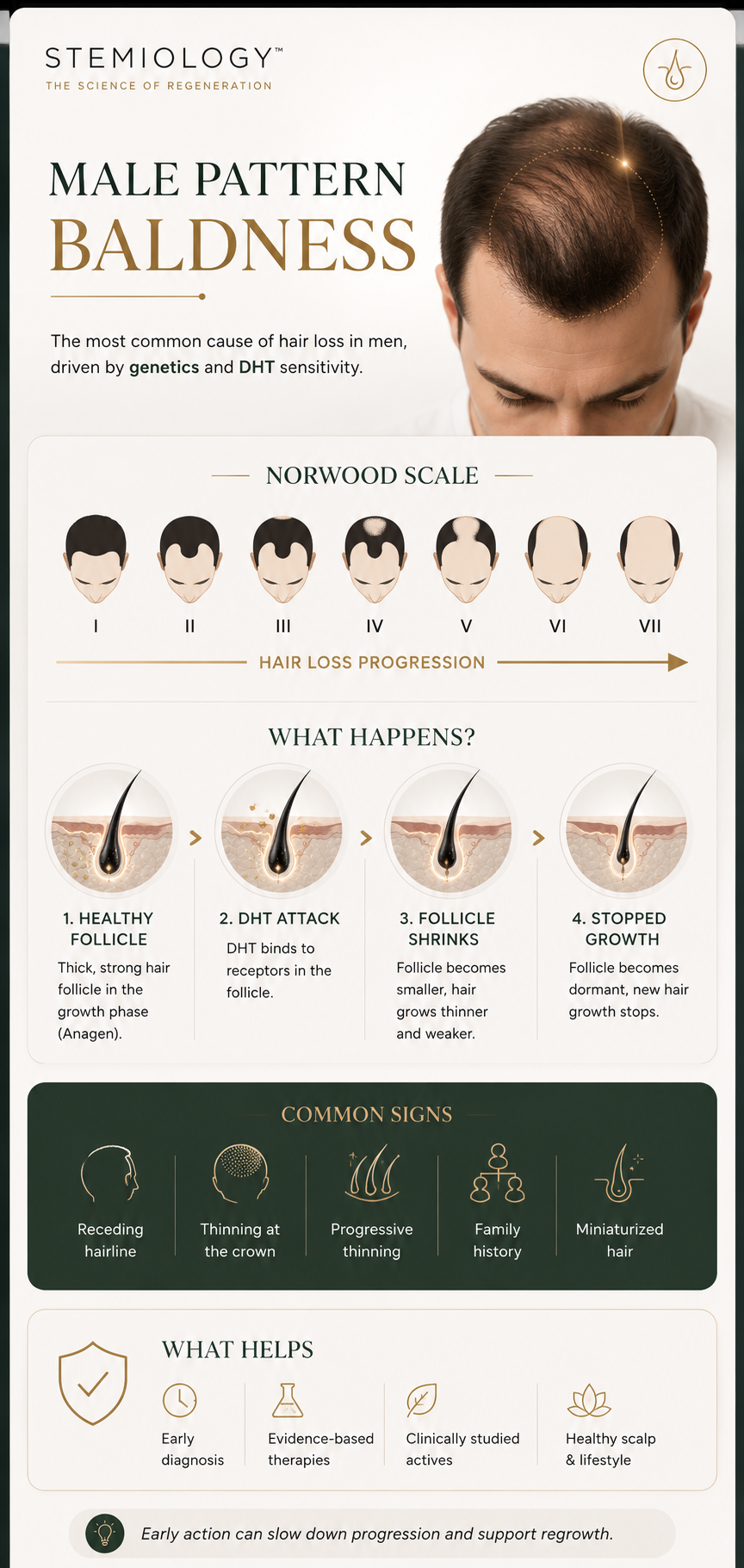
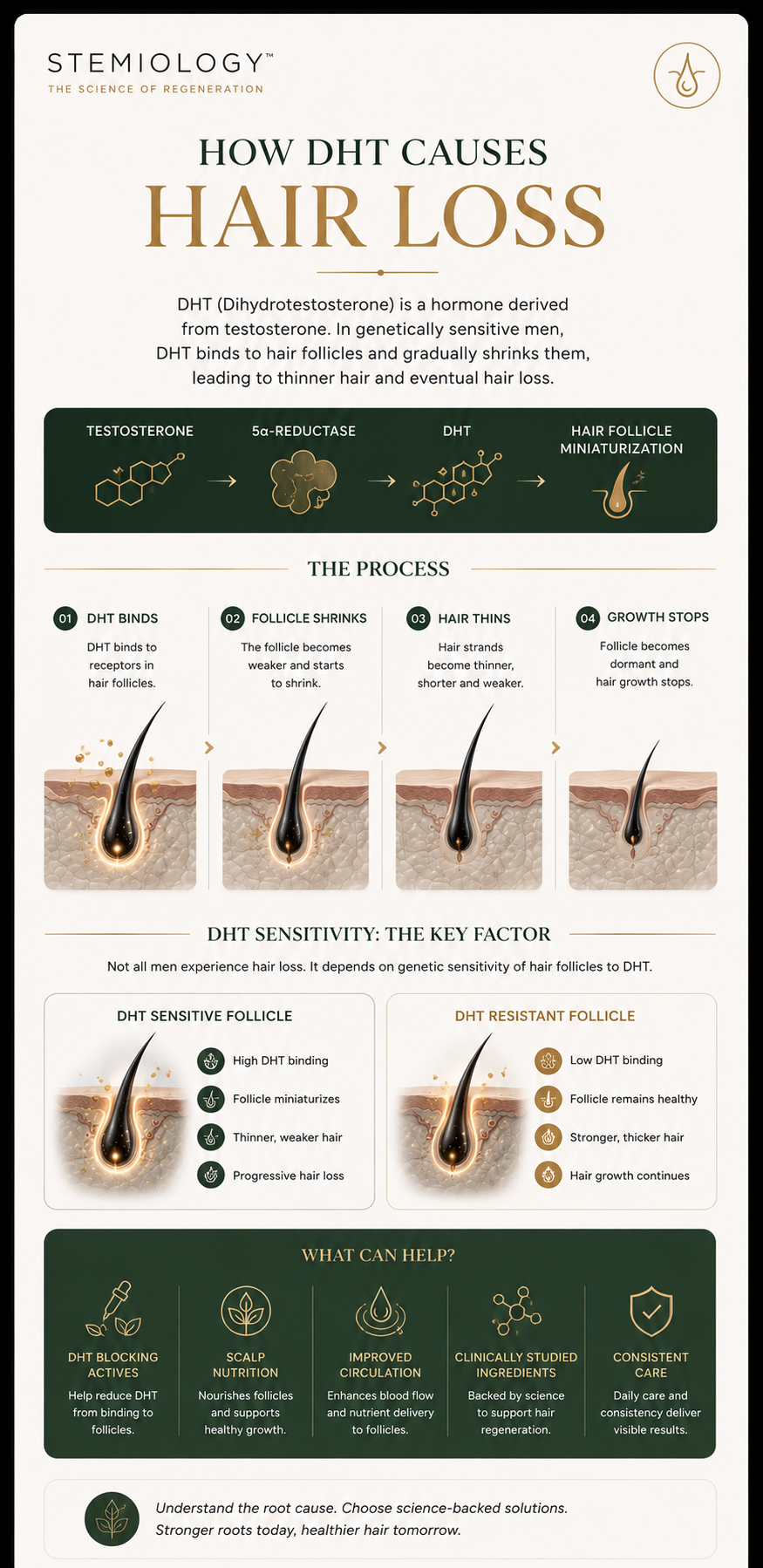
Although genetics play a dominant role, hormonal disturbances can also contribute to hair loss.
Potential contributors include:
- Thyroid disorders
- Elevated cortisol
- Changes in androgen levels
- Certain endocrine disorders
If hair loss is sudden, widespread, or accompanied by fatigue, weight changes, or temperature intolerance, medical evaluation is advisable.
5. Scalp Conditions
A healthy scalp provides the environment necessary for healthy hair growth.
Common scalp disorders include:
- Dandruff
- Seborrheic dermatitis
- Psoriasis
- Fungal infections
- Folliculitis
Persistent inflammation can weaken follicles and increase shedding.
Symptoms
- Itching
- Redness
- Flaking
- Excess oil
- Tender scalp
6. Vitamin and Mineral Deficiencies
Many men are unaware that hidden deficiencies may contribute to excessive shedding.
Important nutrients include:
- Iron
- Ferritin
- Zinc
- Vitamin D
- Vitamin B12
- Folate
- Biotin (only when deficient)
Laboratory testing can help identify deficiencies before starting supplements.
7. Medications
Certain medications list hair loss as a potential side effect.
Examples include some drugs used for:
- High blood pressure
- Depression
- Blood thinning
- Acne
- Chemotherapy
- Autoimmune disorders
Never stop prescribed medication without consulting your healthcare provider.
8. Smoking and Excessive Alcohol Consumption
Smoking increases oxidative stress and may impair blood flow to hair follicles.
Heavy alcohol consumption can also affect nutrient absorption and overall health, indirectly contributing to poor hair quality.
Quitting smoking benefits not only hair but also cardiovascular and skin health.
9. Excessive Heat and Chemical Damage
Frequent use of:
- Hair straighteners
- Hair dryers on high heat
- Bleaching
- Perming
- Harsh chemical treatments
can weaken the hair shaft, increasing breakage and giving the appearance of hair loss.
Using gentle hair care practices helps minimize damage.
10. Aging
As men age, hair follicles naturally produce finer, slower-growing hairs. Hair density decreases, and the growth phase shortens.
Although aging cannot be prevented, maintaining scalp health, good nutrition, and healthy lifestyle habits may help preserve hair quality.
When Should You See a Doctor?
Seek professional evaluation if you notice:
- Sudden severe hair loss
- Bald patches
- Scalp pain or swelling
- Hair loss with weight changes or fatigue
- Hair shedding lasting longer than six months
- Hair loss after starting a new medication
Early assessment often improves treatment options.
Frequently Asked Questions
Is losing hair every day normal?
Yes. Shedding around 50–100 hairs daily is considered normal.
Can stress cause permanent hair loss?
Stress-related shedding is often temporary, but prolonged stress can worsen underlying androgenetic alopecia.
Does wearing a cap cause baldness?
No. Wearing a clean, properly fitting cap does not cause male pattern baldness.
Can diet improve hair growth?
A nutrient-rich diet supports healthy hair, especially if deficiencies are present.
Is dandruff responsible for hair loss?
Dandruff itself doesn’t directly cause baldness, but severe inflammation and scratching can increase temporary shedding.
Key Takeaways
Hair fall in men is usually caused by one or more factors rather than a single issue. Genetics remains the leading cause, but stress, nutrition, scalp health, hormones, medications, and lifestyle choices all influence hair growth.
The sooner the underlying cause is identified, the greater the opportunity to slow progression and support healthier hair.
If your hair loss is persistent, rapidly worsening, or associated with other symptoms, consult a qualified healthcare professional for a personalized evaluation.
Suggested SEO Keywords:
hair fall in men, causes of hair fall in men, male hair loss, male pattern baldness, androgenetic alopecia, DHT hair loss, hair thinning in men, why am I losing hair, hair regrowth, healthy hair growth, stress hair loss, vitamin deficiency hair loss, scalp health, hair care for men.
Suggested Internal Links:
- Hair Growth Cycle Explained
- Baicapil®: How It Supports Hair Growth
- Hair Serum vs Hair Oil
- Stress and Hair Loss
- Best Nutrients for Healthy Hair